English
 中文简体
中文简体
 日本語
日本語
 Español
コンテンツ
中華鍋料理を成功させる近道は簡単です。 空の中華鍋を表面が煙点のすぐ下になるまで強火で加熱し、発煙点の高い油を 15 ~ 30 ml 加え、渦を巻いて下の壁をコーティングし、数回に分けて調理します。タンパク質を炒めて脇に置き、香りをフラッシュし、野菜を柔らかくし、最後の 2 分で麺または米とソースをすべて戻します。熱を高く保ち、各バッチを少量に保つと、中華鍋はキッチンにある他の鍋よりも優れたパフォーマンスを発揮します。
このガイドでは、コンロに合った中華鍋の選択、初めて使用するための表面の準備、温度の制御、正しい順序での調理、炒め物以外の方法での中華鍋の使用、表面を傷つけずに中華鍋を掃除するなど、完全なワークフローを説明します。中華鍋は注ぐだけで放っておける鍋ではないため、各ステップが重要です。その形状が作り出す加熱ゾーンを尊重する場合にのみ、機能が発揮されます。
ここで説明する手順は、従来のカーボンスチール中華鍋と現代の焦げ付き防止アルミニウムモデルの両方に適用されます。 2 つの材料に異なる取り扱いが必要な場合は、その違いが関連するセクションで詳しく説明されています。
湾曲した形状が料理の仕方を変える理由
中華鍋は深いフライパンではありません。その特徴は湾曲した形状です。底部に集中した小さな加熱領域と、外側に向かって約 60 度上昇する壁があります。この形状により、垂直方向の温度勾配が形成されます。中央部は焼き目、下部壁はソテー、上部壁は調理済みの食品をそれ以上調理することなく提供温度に保ちます。平らなフライパンでは、表面全体で同じ温度が得られます。中華鍋では3つになります。
丸底と平底
丸底中華鍋は伝統的な形状です。中華鍋リングを備えたガスバーナーに置くのが最適で、炎が湾曲した側面をなめ尽くし、深いトススペースが得られます。平底中華鍋は小さな平らなベースを備えており、ベース全体が発熱体と接触するため、電気コイル、セラミックガラス、および IH クックトップに実用的な選択肢です。トレードオフは、カーブがわずかに浅くなり、トスがそれほど劇的ではないことです。
| 因子 | 丸底 | 平底 |
|---|---|---|
| 最高のバーナー | リングサポート付きガス | 誘導、電気、セラミックガラス、ガス |
| 安定性 | リングかフレームが必要です | 平らな面ならどこでも安定 |
| トススペース | 深く、フルモーション | より短く、より簡潔に |
| 熱接触 | 集中した中央炎接触 | 広いベースコンタクト |
| 最適な用途 | 高カロリーの伝統的な炒め物 | 家庭用ストーブ、多目的に使用可能 |
湾曲は機能的なものであり、装飾的なものではありません。道具を変えずに、ひとつの鍋で「焼く」「蒸す」「煮る」「揚げる」ことができるのはこのためです。 中華鍋の深い丸底デザインがさまざまな調理方法にどのように適応するか 各テクニックの背後にあるメカニズムを説明します。
コンロや調理スタイルに合った中華鍋をお選びください
技術を心配する前に、中華鍋をコンロと調理方法の 2 つの点に合わせてください。材料は重量、熱反応、味付けの必要性、掃除の労力を決定するため、最初に決定します。
中華鍋の材質比較
| 材質 | 重量(30cm) | 熱応答 | 調味料 | IH対応 | こんな方に最適 |
|---|---|---|---|---|---|
| 炭素鋼 | 1.0~1.5kg | 速い | はい | 平底モデルのみ | 伝統的な中華鍋調理、強火 |
| 鋳鉄 | 3.0~4.5kg | ゆっくり、熱を長く保つ | はい | 通常ははい | 炙る、煮込む |
| アルミノンスティック加工 | 1.0~1.5kg | 速い, even | いいえ | インダクションベースのみ | 毎日の低油調理、卵、ソース |
| ステンレス鋼 | 2.5~3.5kg | 遅い | オプション | はい | 焼き色をつけてからデグレージング |
公開されている材料特性表によると、アルミニウムの熱伝導率は約 200 W/m・K であり、炭素鋼の約 50 W/m・K の約 4 倍です。実際のところ、アルミニウム中華鍋は熱をより均一に広げ、冷たい食べ物を加えた後の回復が早くなりますが、裸のアルミニウムは酸性の食べ物と反応するため、焦げ付き防止コーティングにも依存します。炭素鋼は独自の層を構築するためにシーズニングが必要です。完全な比較 アルミニウム中華鍋の熱伝導率を他の素材と比較する方法 各マテリアルがどこで優れているかを示します。
サイズ、ハンドル、ベースのデザイン
28~32cmが現実的なホームレンジをカバーします。 30cmの中華鍋は1人から4人用で、大きすぎて投げることができません。 32 cm は家族サイズのバッチに適していますが、扱うのが著しく重くなります。長い金属ハンドルでガスを自由に放り込むことができ、2 つの補助ハンドルでいっぱいの重い中華鍋をより安全に持ち上げることができます。焦げ付き防止のアルミニウム中華鍋では、鍋本体がすぐに熱くなるため、ステイクールハンドルまたはベークライトハンドルがよく使用されます。
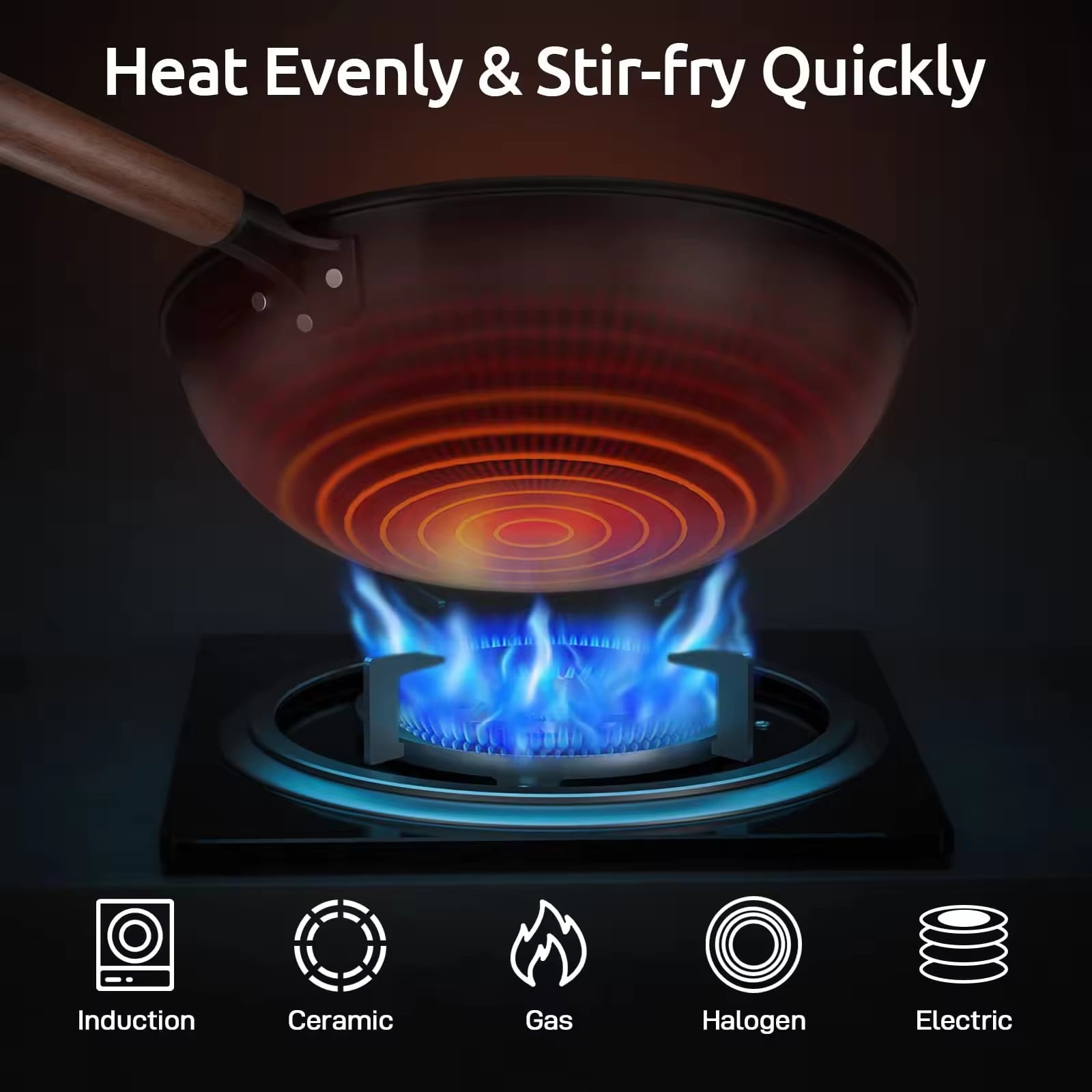
IH の場合、ベースは交渉の余地がありません。平坦である必要があり、磁性層が含まれている必要があります。つまり、普通の薄いアルミニウムは加熱されません。あ IH対応の底を備えたアルミダイカスト中華鍋 アルミニウムの高速で均一な熱と磁気ベースの誘導が必要な機能を組み合わせたもので、これはヨーロッパと北米のホームキッチン購入者にとって共通の仕様です。
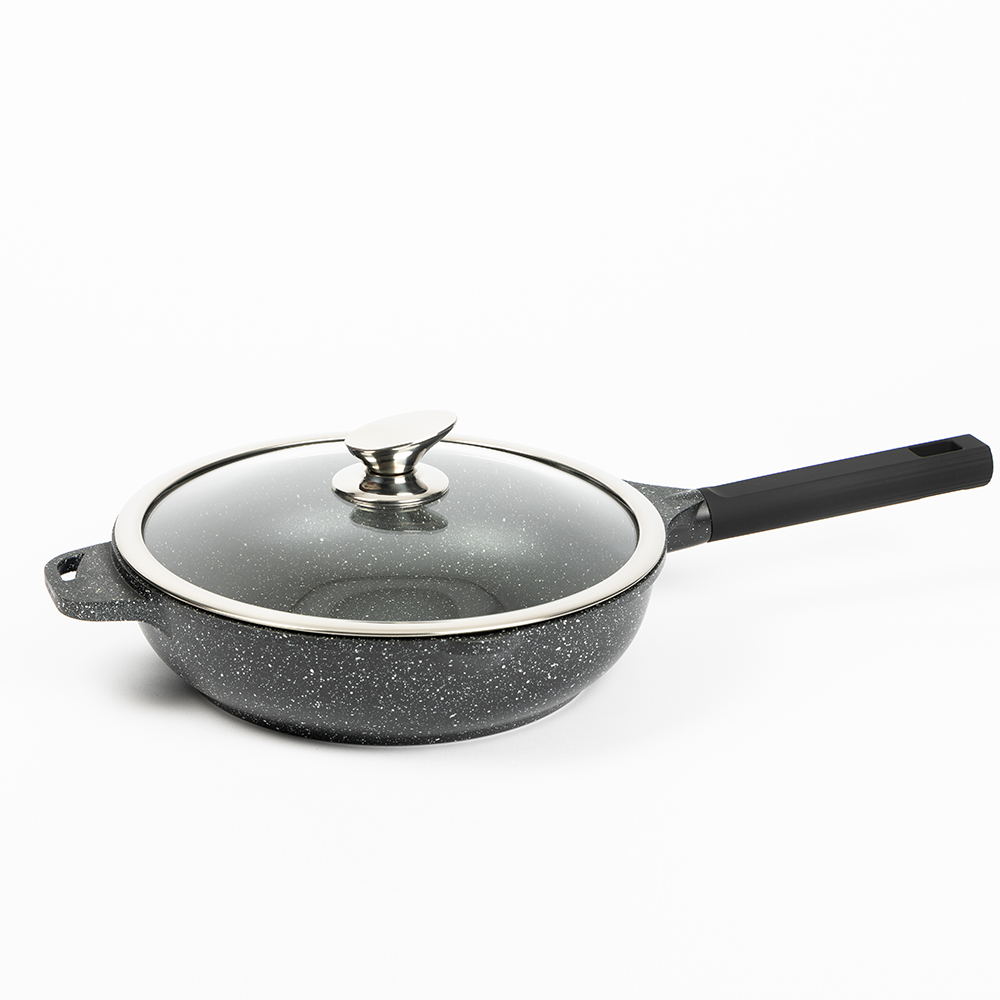
 ダイカストアルミ誘導底中華鍋フライパンノンスティックセラミック深作業付き 寧波 Leer Kitchenware Co.、Ltd は、中国ダイカスト アルミニウム誘導底中華鍋フライパン ノンスティック セラミック深作業蓋付きサプライヤーです。 製品を見る→
 最初の食事の前に新しい中華鍋を準備する
新品の中華鍋では調理ができません。きれいに見えても、表面には保護鉱物油、金属粉塵、包装フィルムなどの工場残留物が付着しています。最初の炒め物がうまくいかない最も一般的な理由は、最初の準備を省略することです。
炭素鋼および鋳鉄中華鍋
- 中華鍋をお湯と食器用洗剤で洗い、柔らかいスポンジを使用します。保護工場のオイルをすべて取り除き、2 回すすいでください。
- 弱火で中華鍋をゆっくり回転させながら、表面全体が均一に乾くように乾燥させます。
- 最初の煙が現れるまで中華鍋を中火で加熱します。これは、金属が調味料の層を受け入れる準備ができているという合図です。
- オイルを10~15ml加え、折り畳んだペーパータオルをトングなどでつかんで内面全体を拭きます。オイルを60〜90秒間燻らせます。
- 中華鍋を冷ましてから、手順 3 と 4 を 2 ~ 3 回繰り返します。金属はブロンズに変わり、その後濃い蜂蜜色になります。
一度味付けすると、炭素鋼の中華鍋は自然に焦げ付きにくくなり、その後油を使って高温で調理するたびに、重合油の薄い層がさらに追加されます。シーズニングはフライパンの本当のコーティングなので、こすり落とすのではなくメンテナンスする必要があります。
こびりつきにくいアルミ中華鍋
ノンスティック中華鍋は味付けを完全に省略します。ぬるま湯、中性食器用洗剤、柔らかいスポンジで洗い、よくすすぎ、水滴がなくなるまで中火で乾かします。オイル硬化は必要ありません。実際、コーティングされた中華鍋を空のまま強火で数分間加熱すると、コーティングが改善されるのではなく、コーティングが損傷します。
毎日の低油調理に、 食器洗い機対応の焦げ付き防止アルミニウム炒め中華鍋 は味付けの必要がなく、卵、豆腐、ソースなど油を使わずに調理できるので最も便利です。
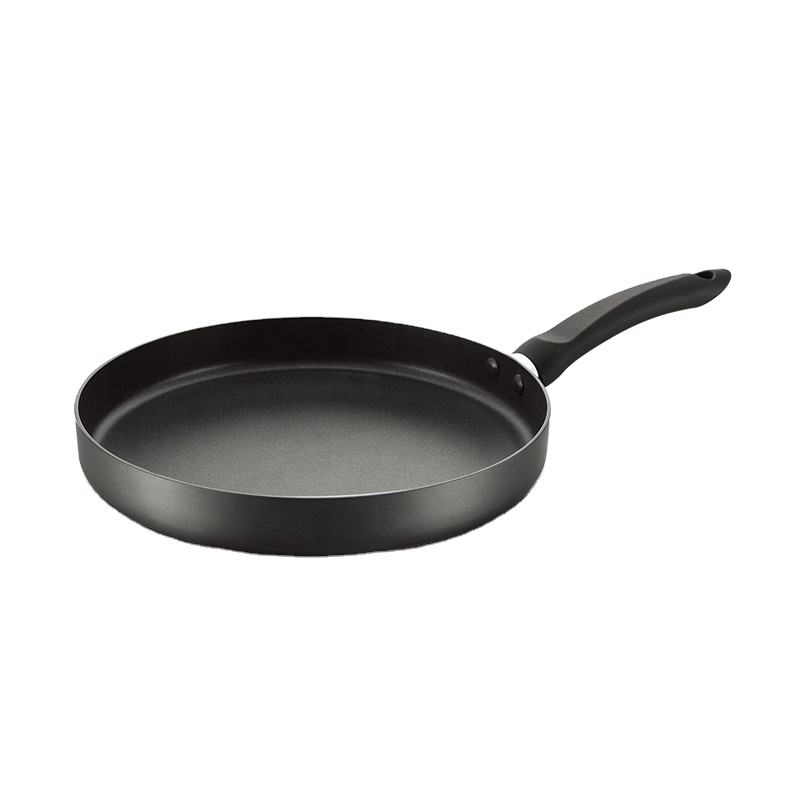
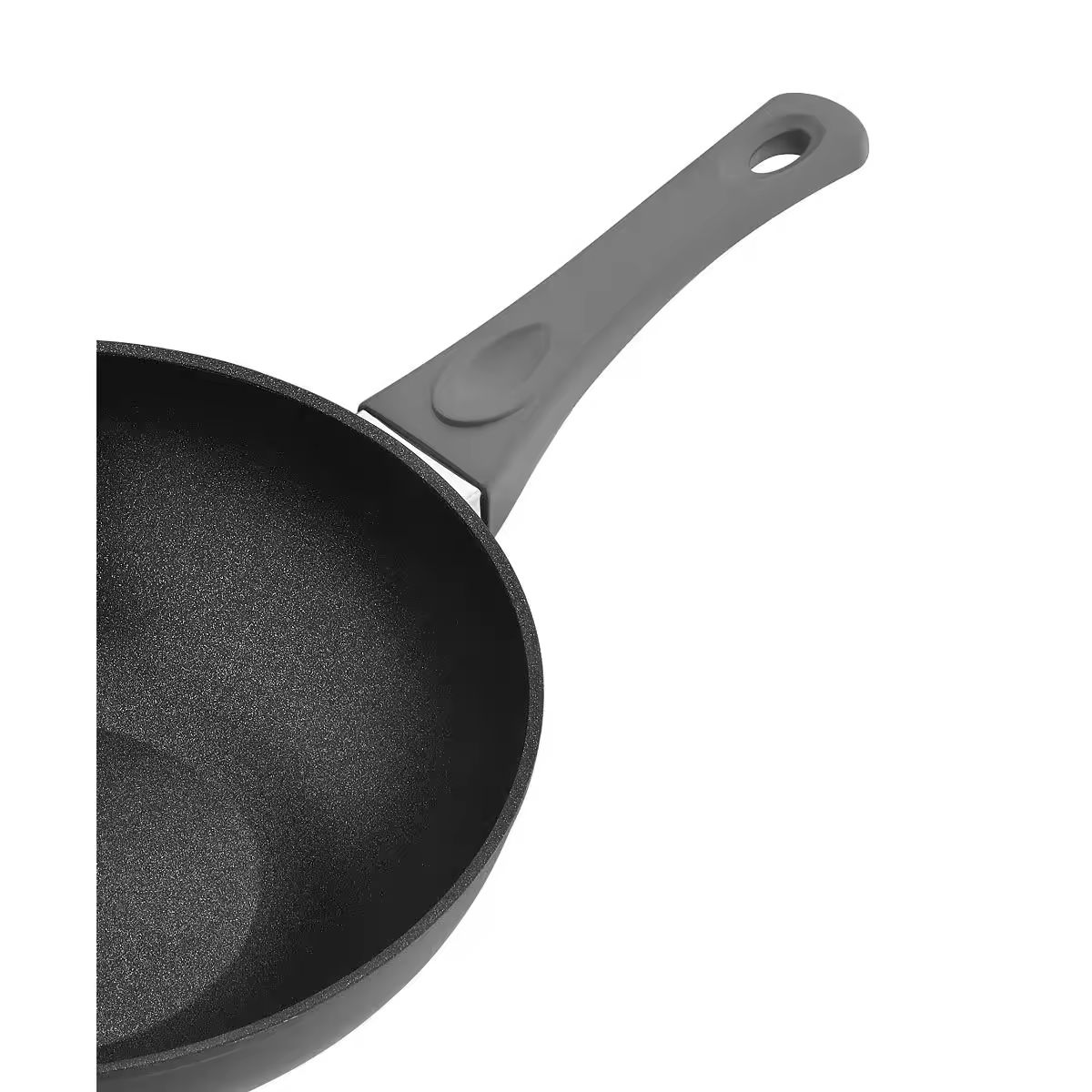 カスタマイズされたロゴ 化学薬品不使用 食器洗い機対応 アルミニウム テフロン加工 炒め物鍋 S 寧波 Leer Kitchenware Co.、Ltd は、中国のカスタマイズされたロゴ、化学薬品なしの食器洗い機対応のアルミニウム製テフロン加工炒め中華鍋のサプライヤーおよび調理器具です。 製品を見る→
 熱制御: 熱-中華鍋-冷-油方式
中華鍋調理で最も役立つ習慣は、「熱い中華鍋、冷たい油」として知られる順序です。それは伝統ではありません。これは物理学であり、ほとんどの行き詰まった問題を問題が発生する前に解決します。
「熱い中華鍋、冷たい油」の実際の意味
まず空の中華鍋を加熱します。金属が熱くなってから油を加え、すぐに食べ物を加えます。理由: 熱い金属はその表面構造をわずかに拡大し、油が微細な隙間に流れ込み、連続的な障壁を形成し、食品が地金に触れなくなります。油と中華鍋を冷たい状態から一緒に加熱すると、鍋が焼けるような温度に達する前に油が劣化し、食材が表面にくっつきます。また、油は熱くても、食べ物が着いたときに煙が出ないものを選びます。油を軽く軽くかける程度が、食べ物を追加する許容される最後の瞬間です。
温度の手がかりとオイルの選択
キッチン用温度計は便利ですが、なくても中華鍋の温度を読み取ることができます。乾いた中華鍋に水をはじくと、平らに蒸発するのではなく玉のように転がり、表面が約 190 °C になり、油を入れる準備ができていることを意味します。乾いた炭素鋼の中華鍋から立ち上るかすかな煙は、およそ 200 °C であることを意味します。食べ物は油に触れてから 1 秒以内にジュージューと音を立てる必要があります。ジュージュー音が弱かったり遅れたりする場合は、中華鍋が十分に熱くありません。
油は熱と同じくらい重要です。発煙点の高い精製油は炒める温度にも耐えます。バターやコールドプレスオリーブオイルは劣化が早すぎます。
| 油 | おおよその発煙点 | 中華鍋でのベストな使い方 |
|---|---|---|
| アボカドオイル | ~270℃ | 高温焼き、揚げ物 |
| 米ぬか油 | ~230℃ | 炒め物、揚げ物 |
| ピーナッツ油 | ~230℃ | ナッツ風味のクラシックな炒め物 |
| グレープシードオイル | ~215℃ | ニュートラルな毎日の炒め物 |
| 精製キャノーラ油 | ~205~220℃ | 一般的な中華鍋調理 |
| エクストラバージンオリーブオイル | ~160~190℃ | 低温仕上げ |
| バター | ~150℃ | 仕上げのみ、焼き付けはしない |
中華鍋で調理する正しい順序
炒め物は、一連の短い個別の調理イベントです。すべてを同時に中華鍋に放り込まないでください。単一の混合バッチを正しく機能させるにはパンが熱すぎます。
- 乾燥した中華鍋を、水滴テストに合格するまで、焦げ付き防止アルミニウム中華鍋の場合は約 30 秒間、炭素鋼の場合は 45 ~ 60 秒間、高温で加熱します。オイルを15~30ml加え、下壁全体がコーティングされるように回してください。
- プロテインを一層にして焼きます。 30 ~ 45 秒間はかき混ぜないでください。表面に焼き色をつけます。ひっくり返してさらに30~45秒焼き、ボウルに移します。 30cmの中華鍋を使用し、1バッチあたり約300〜350gに抑えます。
- 残った油に、みじん切りにしたニンニク、スライスした生姜、唐辛子、ねぎの白い部分などの香料を加え、香りが立つまで15~30秒ほど炒めます。焦げるのではなく柔らかくなるように、火を中〜強に保ちます。
- ブロッコリーの小花、ニンジンのスライス、ピーマンなどの長時間調理が必要な野菜を加え、カリカリとした柔らかさになるまで1〜2分間炒めます。
- ほうれん草、もやし、チャイブ、キノコなどのすぐに調理できる野菜を加え、45〜90秒間炒めます。
- 残りの汁を加えてタンパク質を戻し、麺またはご飯とソース混合物を加え、すべてが光沢があり熱くなるまで中強火で1〜2分間混ぜます。
| ステージ | 時間 | キュー | 熱 |
|---|---|---|---|
| プロテインの焼き付け | バッチあたり 60 ~ 90 秒 | 黄金色の皮、簡単に剥がれます | 高 |
| 芳香族 | 15~30秒 | 焦げずに香ばしい | 中~高 |
| 長い野菜 | 1 ~ 2 分 | 噛み付きフォークテンダー | 高 |
| クイック野菜 | 45~90秒 | 明るい色、鮮明な | 高 |
| ソースと麺 | 1 ~ 2 分 | 光沢があり、コーティングされており、液体だまりがありません | 中~高 |
炒め物の実際の調理時間の合計は、通常 6 ~ 9 分です。 時間がかかる場合は、中華鍋が冷たすぎるか、バッチが大きすぎます。詰め込みすぎは典型的な失敗パターンです。700 ~ 800 g の野菜を一度に加えると、表面温度が水の沸点以下に下がり、野菜が蒸して液体が放出され、その結果、濡れた鈍い料理ができてしまいます。疑わしい場合は何回かに分けて調理し、中華鍋の上壁を完成したバッチの保温ゾーンとして使用します。
その他の中華鍋テクニック: 揚げる、蒸す、煮込む、トーストする
炒め物を作るのと同じ湾曲した形状により、中華鍋は揚げ物、蒸し、煮込み、ドライトーストにも適したツールになります。変化するのは熱と液体の量だけです。
揚げ物
Fill the wok to roughly 5 cm of oil — about 1 to 1.5 liters depending on diameter — and hold the temperature between 170 and 190 °C. The wide bottom increases the surface area used by the food, so batches fry faster and more evenly than in a narrow saucepan with the same oil volume. Use a thermometer; it is difficult to judge 180 °C by eye.
Steaming
Add 1 to 2 cm of water or stock and place a bamboo steamer or wire rack above the liquid. The curved bottom keeps the liquid centered directly beneath the steamer, and the deep walls trap steam better than a shallow skillet with a lid. Dumplings, fish fillets, and vegetables take 5 to 20 minutes depending on size.
Braising and saucy dishes
After a quick sear, add stock, soy, or a tomato-based sauce, bring it to a simmer, cover with a lid, and lower the heat. Because the wok narrows at the bottom, even a small volume of liquid stays deep enough to cook the ingredients evenly. A scratch-resistant non-stick wok with a lid is particularly good for braises, because the coating resists tomato and vinegar sauces that cling to bare metal, and the lid prevents the sauce from reducing too fast.
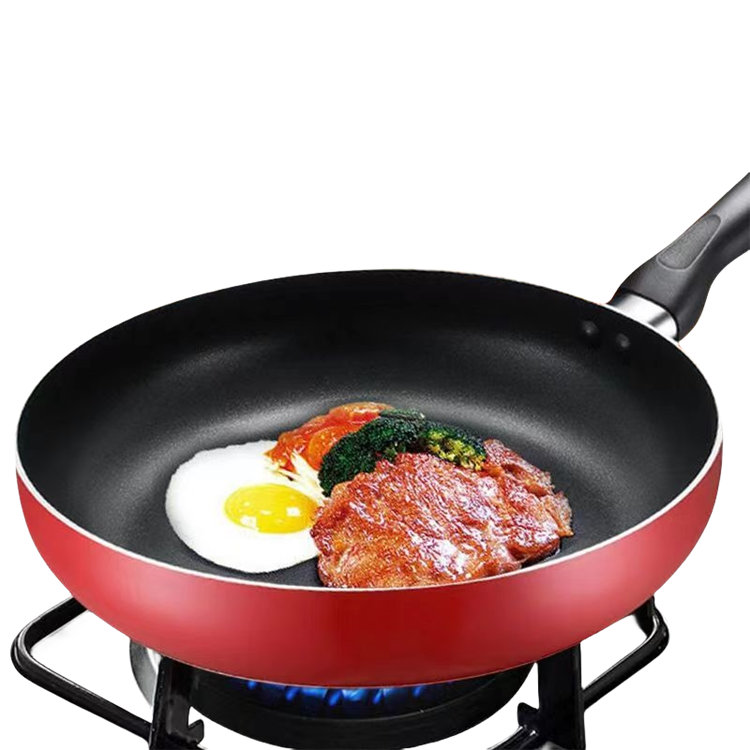
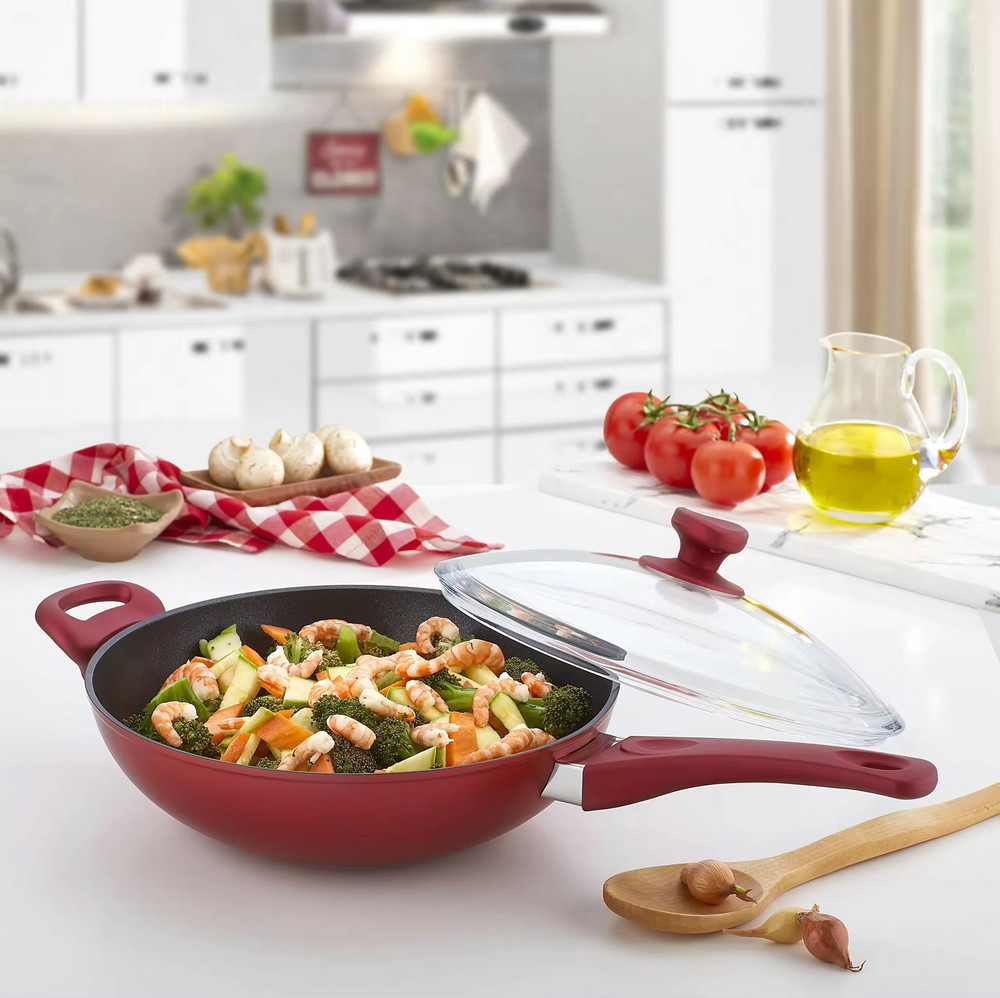 Multi purpose scratch resistant custom logo kitchen aluminum non-stick wok pan w Ningbo Leer Kitchenware Co., Ltd is China Multi purpose scratch resistant custom logo kitchen aluminum non-stick wok pan with lid supplie... 製品を見る→
 Dry-toasting
A dry wok over medium-low heat toasts sesame seeds, peanuts, cumin, or rice for grinding. Shake the pan every 15 to 20 seconds; the curved walls push the grains back toward the center, so the toasting is even and you do not need to stir constantly.
Cleaning, Maintenance, and the Mistakes That Kill Woks
How you clean the wok matters as much as how you cook in it. The core rule: never shock the pan with a sudden temperature change, and never use harsher abrasives than the surface can take.
Cleaning a non-stick aluminum wok
Let the wok cool completely before washing. Dropping a hot coated wok into cold water is the most common cause of premature coating failure. Wash with warm water, mild dish soap, and a soft sponge; skip steel wool and abrasive scrub pads. If the wok is labeled dishwasher-safe, hand washing still protects the coating longer than any machine cycle.
Cleaning a carbon-steel wok
After cooking, fill the warm wok with hot water and swirl for about 30 seconds to loosen food. A stiff brush handles the rest; soap is not needed for daily use. Dry the wok over low heat until no moisture remains, then rub a few drops of oil across the surface. If food is burned on, heat water in the wok first to soften the residue before brushing.
Common mistakes that shorten wok life
- Heating an empty non-stick wok to full smoke — the coating degrades at very high dry heat.
- Soaking a wok overnight — rust on carbon steel, blistering on some coatings.
- Adding cold, wet food to a crowded wok — it steams instead of searing.
- Using metal spatulas or forks on non-stick coatings — small scratches become peeling points.
- Rinsing a hot wok under cold tap water — this warps aluminum and can crack seasoning.
- Stacking pans without a cloth or paper-towel layer — the base of the upper pan scrapes the one below.
Re-season carbon steel as soon as food starts sticking or the surface looks patchy. Non-stick woks do not get re-seasoned; when food no longer releases easily, the coating has reached the end of its service life, and the correct solution is a new wok.
Wok FAQ
Do you need to season a non-stick wok?
No. A non-stick wok is ready after a wash and a thorough dry. Seasoning a coated wok leaves a polymerized oil layer and can gradually interfere with the original release performance.
How do I know when the wok is hot enough?
Use the water-drop test: if two drops bead and roll across the surface instead of evaporating flat, the surface is around 190 °C. On carbon steel, the first thin wisp of smoke from the dry wok is another cue — roughly 200 °C. On a non-stick wok, never wait for smoke; preheat for about 30 seconds on medium-high at most.
Can I use a wok on an induction cooktop?
Only if the base is flat and contains a magnetic layer. Plain thin aluminum woks will not activate induction. Non-stick aluminum woks need a bonded magnetic base, so always verify the base construction before purchase.
Why does food stick even when I use enough oil?
Usually one of four causes: the wok was not hot enough when the food went in, the protein was wet or sugar-glazed from a marinade, the pan was overcrowded so the temperature collapsed, or the carbon-steel seasoning layer had worn away. Fix the preheating first; it is the most common and the easiest to correct.
A wok is only for stir-fry, right?
No. Deep-frying, steaming, braising, boiling noodles, and dry-toasting all work in the same pan. The shape concentrates heat for steaming and frying, while the volume holds enough liquid for a braise. In many Asian home kitchens, the same wok cooks every meal of the day.
Final Thoughts
Used correctly, a wok becomes the most-used pan in a kitchen, because it combines the speed of a skillet, the volume of a pot, and the fine control of a seasoned surface. None of that comes from exotic skill; it comes from temperature, order, and batch size. Keep the wok hot, keep the batches small, prepare the surface once, maintain it after every meal, and the results stay consistent for years.
On the manufacturing side, the performance of a wok is decided before it leaves the factory: wall thickness of roughly 2.2 to 2.5 mm for forged aluminum bodies, base construction that works on both gas and induction, and a coating matched to the intended use. For brand owners, distributors, and restaurant chains buying woks under a private label, those specifications determine whether end users keep or return the product. You can discuss custom wok specifications with the manufacturing team to match shape, size, handle, and coating to a specific market.